
Mining
From a copper electrowinning tankhouse in Chile to a gold pressure-leach autoclave in Nevada, mining and mineral processing combine some of the most aggressive thermal duties in industrial heat exchange. Acid leaching circuits at 90°C, hot electrolytes, grinding mill lube oil, and process water laden with abrasives, ARES PHE supplies the full range of plate heat exchangers engineered for the realities of remote mine sites and high-tonnage concentrators.
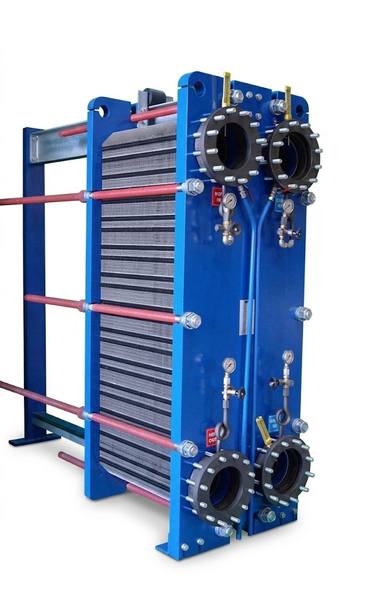
Engineered for Hydrometallurgy, Smelting, and Mine Utilities
Mining duties divide into three thermal regimes: hydrometallurgy process media (acid leach, electrowinning, solvent extraction); pyrometallurgical smelter cooling and acid plant gas cooling; and mechanical-equipment cooling for SAG mills, ball mills, crushers, and shovels. Each demands different plate material, gasket selection, and channel geometry, and ARES PHE supplies every regime from one supply chain.
Many mines operate in remote locations with limited spare-parts availability, so maintenance simplicity and field-serviceability rank alongside thermal performance as primary selection criteria. Adhesive-free gasket systems, standard frame components, and globally available spares reduce field service time and on-site inventory burden.
Where PHEs Work in Mining & Mineral Processing
From the acid leach autoclave to the SAG mill lube oil cooler, plate heat exchangers handle thermal duties across every stage of mineral processing and mine utilities.
Autoclave Acid Leach Cooling, The Heart of Hydrometallurgy
Hydrometallurgical leach circuits in copper, nickel, zinc, and gold processing run at 60–95°C with sulphuric acid concentrations that destroy ordinary materials. The PHE sits between the leach circuit and cooling water, removing reaction heat to maintain optimal kinetics while resisting the acid attack that defeats shell-and-tube exchangers within a few years.
Plate material selection determines service life: SMO 254 for dilute H₂SO₄ below 60°C, titanium or Hastelloy C276 for hotter or more concentrated acid, Inconel 625 for chloride-bearing chemistry. ARES PHE supplies AFW fully welded units where gasket compatibility cannot be guaranteed, and ASP shell-and-plate units where pressure and temperature exceed conventional gasketed limits.
Electrowinning Electrolyte Cooling
Copper and zinc electrowinning tankhouses operate at tightly controlled electrolyte temperatures, too cold and current efficiency drops, too hot and acid mist increases. The PHE removes the heat generated by the electrochemical reaction and ohmic losses, maintaining electrolyte temperature within a 1–2°C window across thousands of cells.
Highly alloyed plates (titanium, Hastelloy) and acid-resistant gaskets are essential. AFW fully welded construction is preferred where gasket failure would result in tankhouse contamination.
Electrorefining & Solvent Extraction
Copper and nickel electrorefining circuits require precise electrolyte temperature control. Solvent extraction (SX) circuits in Cu hydromet need cooling of organic and aqueous phases between stages.
FKM gaskets with stainless plates handle most SX duties; AFW with high-alloy plates handles the more aggressive electrolyte side.
SAG & Ball Mill Drive Lube Oil
Large grinding mills (SAG, ball, AG) have drive trains carrying tens of megawatts of power, generating substantial waste heat in the gearbox and bearing oil. The lube oil PHE removes this heat to keep oil viscosity in spec and prevent thermal breakdown.
A-Series gasketed units with NBR gaskets handle the high-flow, moderate-pressure (5–15 bar) oil-side duty. Quick-opening frames enable maintenance during scheduled mill shutdowns.
Crusher & Shovel Hydraulic Oil
Mining equipment (primary crushers, draglines, electric shovels, hydraulic excavators) uses hydraulic oil systems at 5–30 bar with substantial heat loads. The PHE cools hydraulic oil before it returns to the reservoir, extending oil life and preventing seal failures.
Pressure-rated A-Series units with NBR or HNBR gaskets handle the duty; custom port positions and frame sizes match the equipment envelope.
Smelter Cooling & Acid Plant Gas
Pyrometallurgical smelters use water-jacket cooling on furnace walls; the closed cooling water loop rejects heat through a PHE to the open cooling water system. Sulphide smelter off-gas treatment runs through an acid plant where weak-acid streams need cooling before regeneration.
AFW fully welded units handle the acid plant gas side; A-Series gasketed handles the indirect smelter cooling water.
Mine Dewatering & Heat Recovery
Deep underground mines pump warm groundwater to surface. This water often carries useful heat that can be recovered to heat surface buildings, change houses, and equipment. PHEs sit between the dewatering circuit and the building heating loop.
Free-flow geometry (AWG) handles water with elevated turbidity and dissolved solids common in mine drainage.
Underground Ventilation Chilling
Deep mines (1,000m+) face severe heat stress problems: rock temperature, equipment heat, and ventilation air all combine to make workplaces uncomfortable or dangerous. Refrigeration plants chill ventilation air via cooling water; the PHE transfers heat between the chilled water loop and the air-handling units underground.
ATEX zoning compliance is essential where methane or coal dust is present.
Why PHEs Are the Mining Industry Standard
Alloy Materials
Titanium, Hastelloy C276, Inconel 625, SMO 254 for the most aggressive chemistries
Free-Flow Geometry
5.5+ mm channel gaps handle slag, tailings, and pregnant leach solution
Field Serviceable
Inspect and re-gasket on remote sites without specialist tools
ATEX Ready
Compliance for explosive-atmosphere coal and methane-bearing operations
Multi-Decade Refs
Mining references across Africa and Latin America
Recommended Products for Mining
A-Series (Gasketed)
Mill lube oil, hydraulics, dewatering, ventilation chilling
AWG Free Flow
Slag granulation, tailings, particulate-laden streams
AFW Full Welded
Acid leach, electrowinning, smelter acid plant cooling
Case Studies
Real projects, real results. See how ARES PHE plate heat exchangers perform in Mining installations worldwide.
Mining Case Study
Project overview, engineering approach, and measured results from a real installation.
Read Case Study →Specify a Mining PHE With Our Application Engineers
Mining duties span the full spectrum of chemistry, pressure, and field-serviceability. Our application engineers help you select materials, geometry, and frame configuration matched to your site conditions and operational realities.