
Automotive
Automotive manufacturing combines aggressive process chemistries, high-pressure hydraulics, large-volume utility cooling, and increasingly the thermal management of EV battery production. Plate heat exchangers handle the heat-transfer duties from stamping plant hydraulic oil cooling to paint shop process water management to battery factory chiller-side cooling, all to the tight quality tolerances that automotive manufacturing demands.
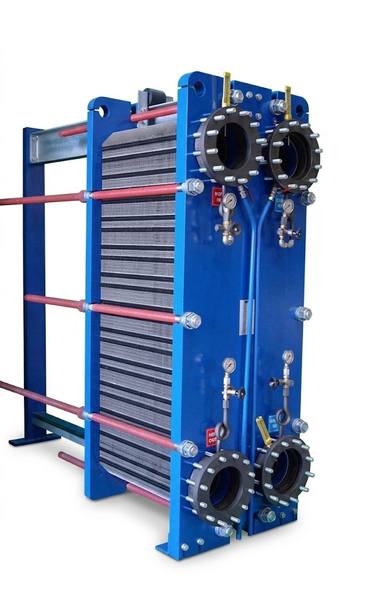
Engineered for OEM Plants and EV Manufacturing
ARES PHE supplies plate heat exchangers across the automotive manufacturing value chain: OEM final assembly, body-in-white stamping plants, powertrain machining, paint shops, battery cell production, and the emerging EV battery thermal management ecosystem. Materials, gaskets, and frame configurations are matched to the duty, with documentation supporting automotive Quality Management Systems (IATF 16949, formerly ISO/TS 16949).
Compact footprints suit retrofits into existing utility rooms; standardised supply chain supports JIT delivery requirements; and our engineering team supports PPAP and FAI documentation as required.
Where PHEs Work in Automotive Manufacturing
From the stamping plant hydraulic press to the EV battery cell production line, plate heat exchangers handle thermal duties across every stage of automotive manufacturing and the emerging electric vehicle ecosystem.
Hydraulic Press Oil Cooling, Stamping Plants
Automotive stamping plants use very large hydraulic presses, some delivering 2,000 tonnes of force or more, to form body panels from sheet steel and aluminium. The hydraulic system carries massive heat loads from pump losses, valve throttling, and cylinder operation. PHE-based oil coolers maintain hydraulic oil temperature within specification, preventing seal failures and viscosity drops.
A-Series gasketed units with NBR or HNBR gaskets handle pressure ratings up to 30 bar on the oil side. Custom port positions and frame sizes match the press hydraulic header arrangement. Quick-opening frames support inspection during weekend maintenance windows.
EV Battery Cell Production
Lithium-ion battery cell production requires tightly controlled cooling at multiple stages: electrolyte filling, formation cycling, and ageing. PHEs handle the chiller-side cooling water for these temperature-critical operations.
Compact AP-Series units fit factory layouts; verified thermal performance supports production-rate planning.
Paint Shop Process Water
Automotive paint shops use process water for pre-treatment (phosphating, e-coat), paint booth water curtains, and oven cooling. The closed treated water loop rejects heat through PHEs to the cooling tower side.
Pre-treatment chemistries (phosphoric acid, alkaline cleaners) can be aggressive, requiring careful material selection.
Engine Test Bench Cooling
Powertrain test cells and engine dynamometers generate substantial waste heat that must be rejected to facility cooling water. The PHE handles the closed treated test water loop to open cooling tower water transfer.
Compact A-Series with quick-opening frames supports test bench maintenance schedules.
Tempering & Quench Oil Cooling
Heat treatment operations, tempering, quenching, induction hardening, use quench oils at controlled temperatures. PHEs handle the oil cooling between operations.
FKM or HNBR gaskets match the quench oil chemistry; pressure ratings accommodate the oil pump headers.
Cutting Fluid & Coolant Recovery
Machining operations use water-based or oil-based coolants that need temperature control and filtration. PHEs handle the bulk coolant cooling between operations.
Free-flow geometry (AWG) handles coolants with elevated particulate content from machining.
Plant Utility Cooling
Compressor cooling, transformer cooling, robot cell cooling, and general facility chilled water all use plate heat exchangers at the interface between closed treated cooling water and open cooling tower water.
Standard A-Series and AP-Series handle the bulk of utility duties.
Why PHEs Are Standard in Automotive
IATF Quality
Documentation supporting IATF 16949 automotive QMS requirements
EV Battery Ready
Battery cell production cooling capable across the EV value chain
Verified Performance
Verified thermal performance supports production-rate planning
JIT Delivery
Standardised supply chain supports OEM lean inventory practices
PPAP / FAI
Production part approval and first article inspection on request
Recommended Products for Automotive
A-Series (Gasketed)
Hydraulic oil, process water, plant utilities
AP-Series (Performance)
EV battery cooling, paint shop chillers, tight-ΔT duties
AWG Free Flow
Cutting fluid, coolant recovery, particulate streams
Case Studies
Real projects, real results. See how ARES PHE plate heat exchangers perform in Automotive installations worldwide.
Automotive Case Study
Project overview, engineering approach, and measured results from a real installation.
Read Case Study →Engineer Your Auto Plant PHE With Us
From legacy ICE manufacturing to EV gigafactory thermal management, our automotive application engineers help you specify the right PHE for every duty in your plant.